Introduction to Dinner Party Hosting Etiquette for New Hosts
As An affiliate of several brands, the use of some of our links can be a potential financial benefit to us. To learn more about affiliates and to see the full disclosure, you can click here.
Hosting can be an intimidating new venture, and it can feel like there are a million things you have to learn the hard way when you’re just starting out. It also takes so much time to learn all of the ins and outs of hosting, and it never really stops.
I have been hosting in some way or another since high school. I still manage, with every event, to think of a better way to do something or change something for a new dynamic. In addition to what I learn from myself, I am also constantly learning from other hosts and implementing ideas they share.
People who attend my events constantly ask me where I learned to host or learn how to do a particular thing. Like any skill, it takes lots of doing, hours of implementation, and practice to truly gain the most insight.
While most of this insider knowledge comes with time and practice, and will eventually come, it can be incredibly helpful to have those hosting tips up front, to help you get a head start, and make your experience more enjoyable for your guests.
Some of these tips will be things you already know and do, but those can serve as a reminder while you add some more to your repertoire.
Dinner PArty Hosting Tips and Hosting Etiquette
1. Create a Diverse Guest List
When creating your guest lists, invite people from various backgrounds, cultures, interests, careers, etc. Make your guest list a colorful but balanced mix of personalities. This not only creates a more interesting dynamic, but it also allows others to interact without you, freeing you to interact with others or orchestrate something else.
Getting this balance just right does take practice; it’s much easier when you know to consider it early on in your hosting experience.
2. Choose a Color Palette or Theme
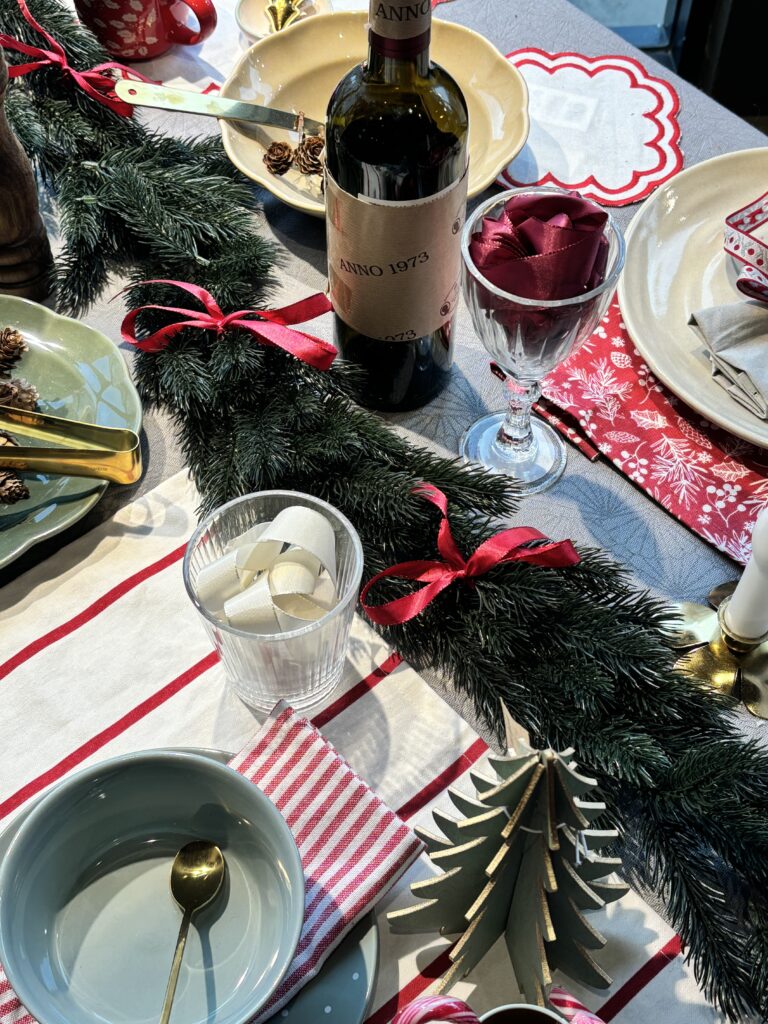
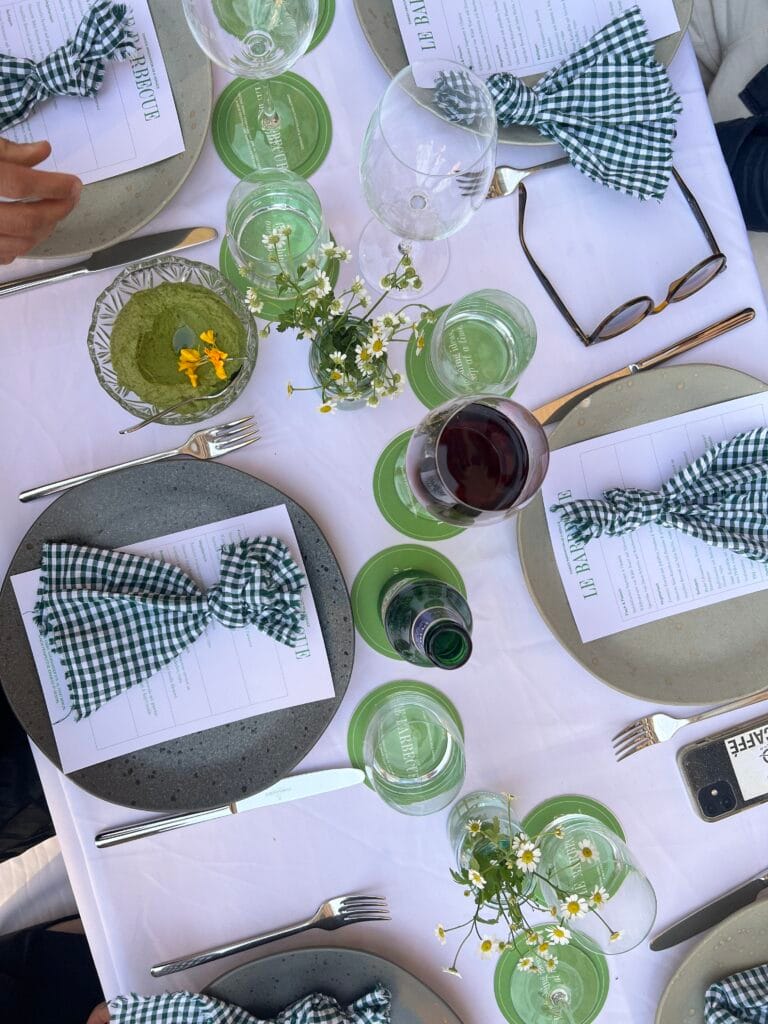
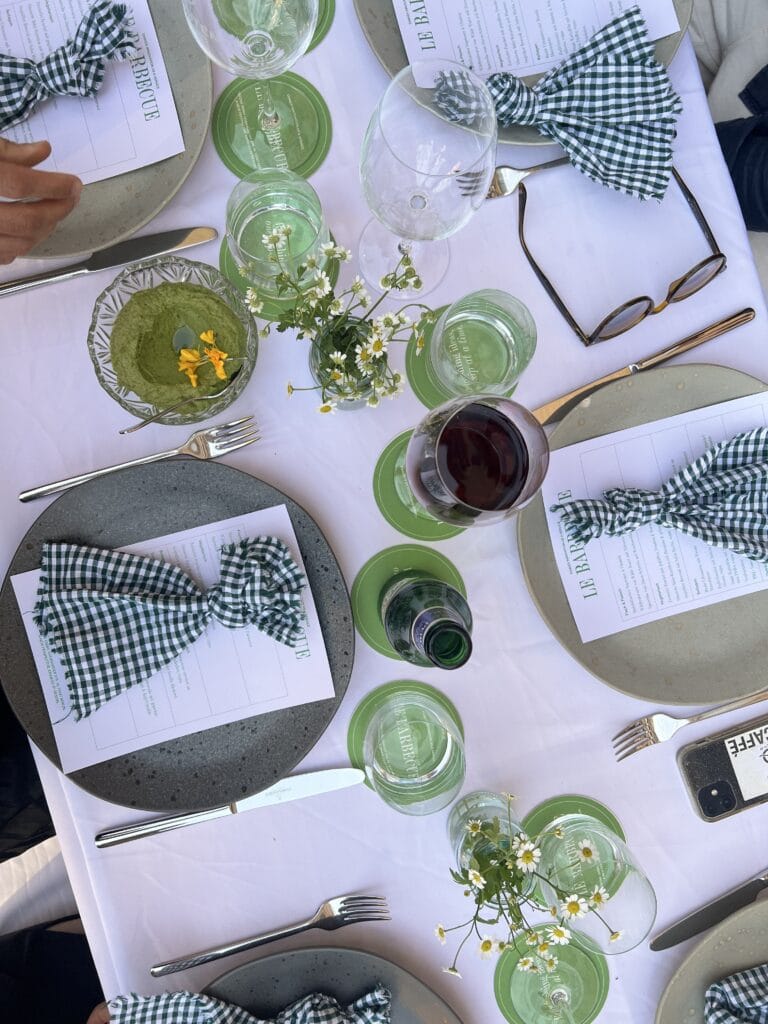
If you don’t have a theme in mind, select a color palette. Both can help anchor all of the following decisions and give you a place to come back to if you’re struggling to make a decision. If you’re a visual person, create a vision board!
3. Create A Reasonable Timeline
DO NOT attempt to fit everything into one night. Leave yourself time for transitions or moments where you don’t want to break the guest’s momentum. Also, leave yourself time to interact with guests, check on food, set up games, etc.
Plan to take more time than you think you would need when creating a timeline for the night.
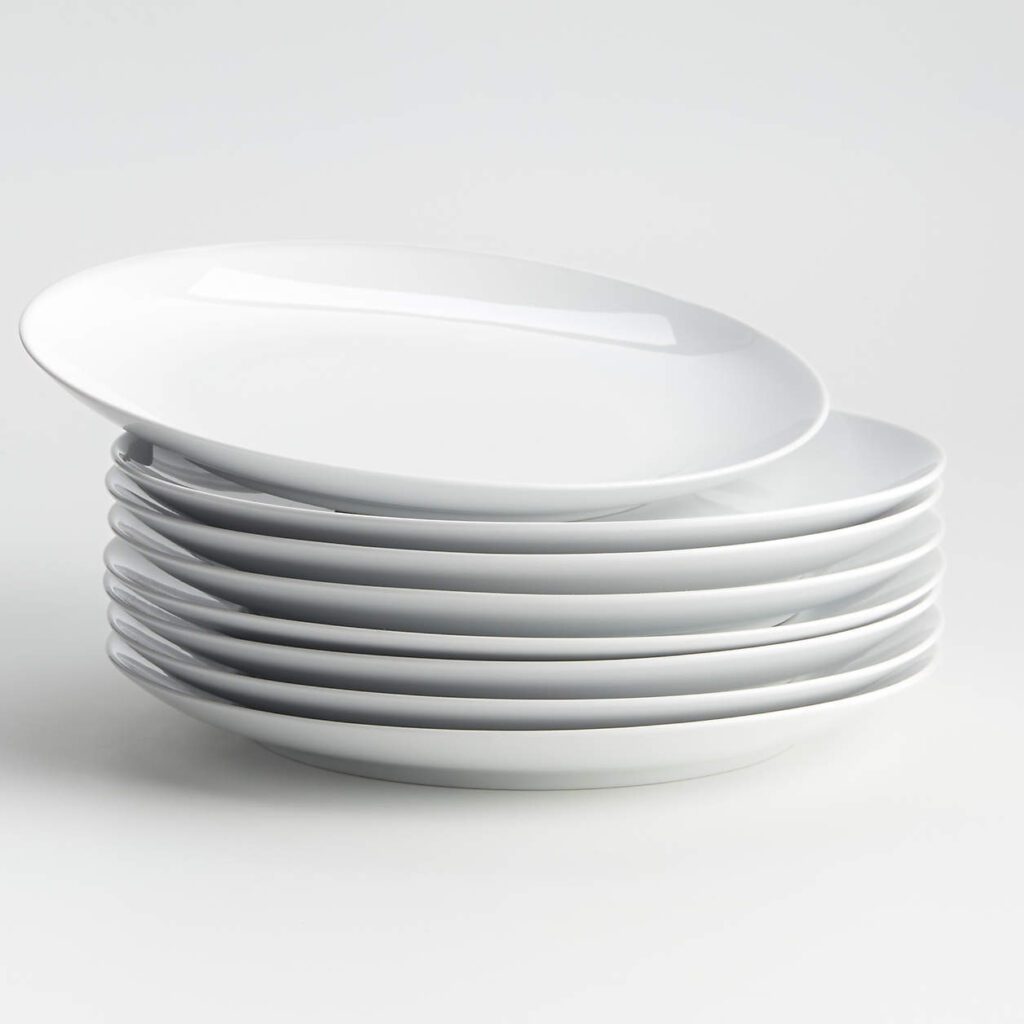
4. Choose Dishes and Vessesls Well in Advance
Don’t wait until the day of to choose what dishes you will serve your food in. Choosing the dishes ahead of time allows you to choose options that fit with your theme, that you can ensure each item will fit in, and that they look well when styled together.
5. Consider ALL Spaces Guests Will Use
While it’s tempting to only focus on the main space where you are hosting, don’t forget that guests both wander and need to interact with other spaces. The entry way, the dining area, the kitchen, and the bathroom all need to be viewed through the perspective of a guest who has never been in your home before.
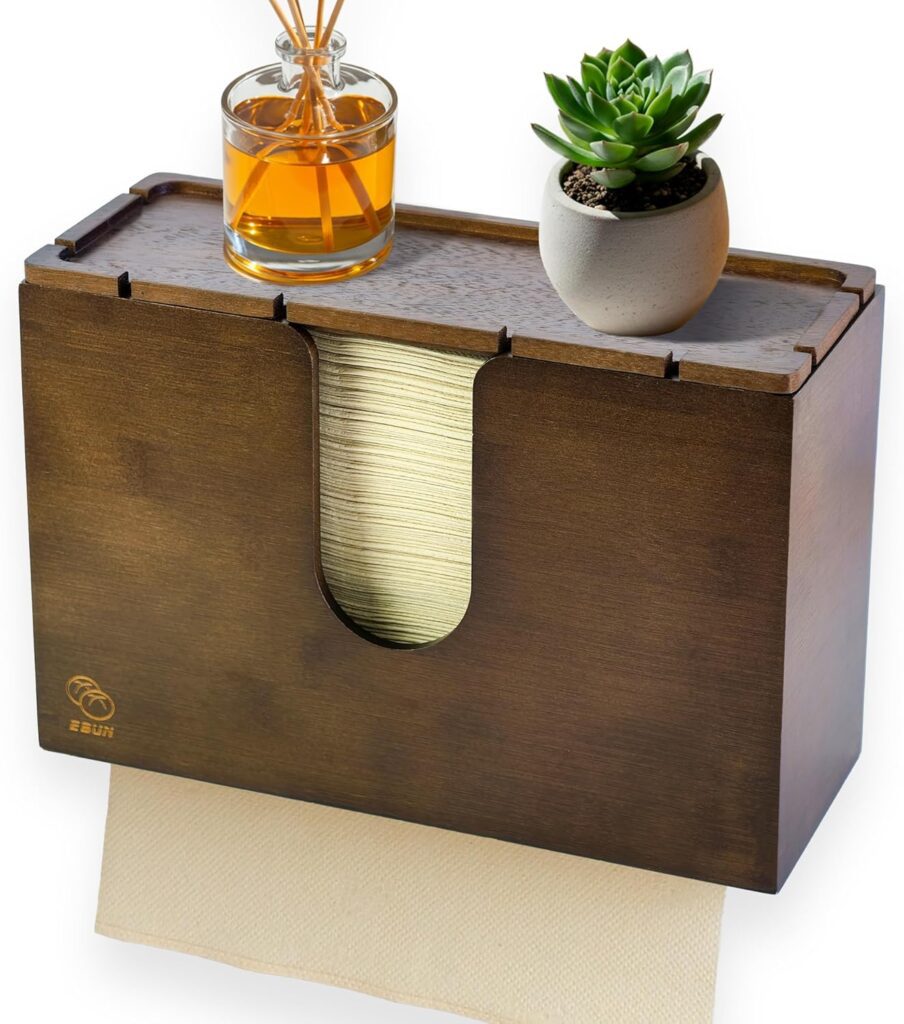
When I host, I ensure that everything seems intuitive and clear to a new guest by doing a walkthrough and thinking with that in mind. In the past, when I have done this, I have noticed that my shoe storage area needed rearranging and that the flow of my furniture needed to be reconfigured for the length of the event. I always ensure that the toilet roll is new so that there is no chance a guest has to awkwardly ask about tissue, and the paper towel holder is easily accessible.
6. Set Up In The Days Before
If you are intimidated by hosting, doing an elaborate setup, or you aren’t great at timing, you can set up in the days before. You can place linens out and steam them, or set the table. You can also arrange serving dishes to get an idea of position and flow. Do as much as you can to bank that time for the day of, and help out your future self.
7. Plan For Accessibility
Make as much as possible accessible for your guests so that you don’t have to stop what you’re doing to aid them. Place things like water and cups in plain view. Label things that anyone might have a question about.
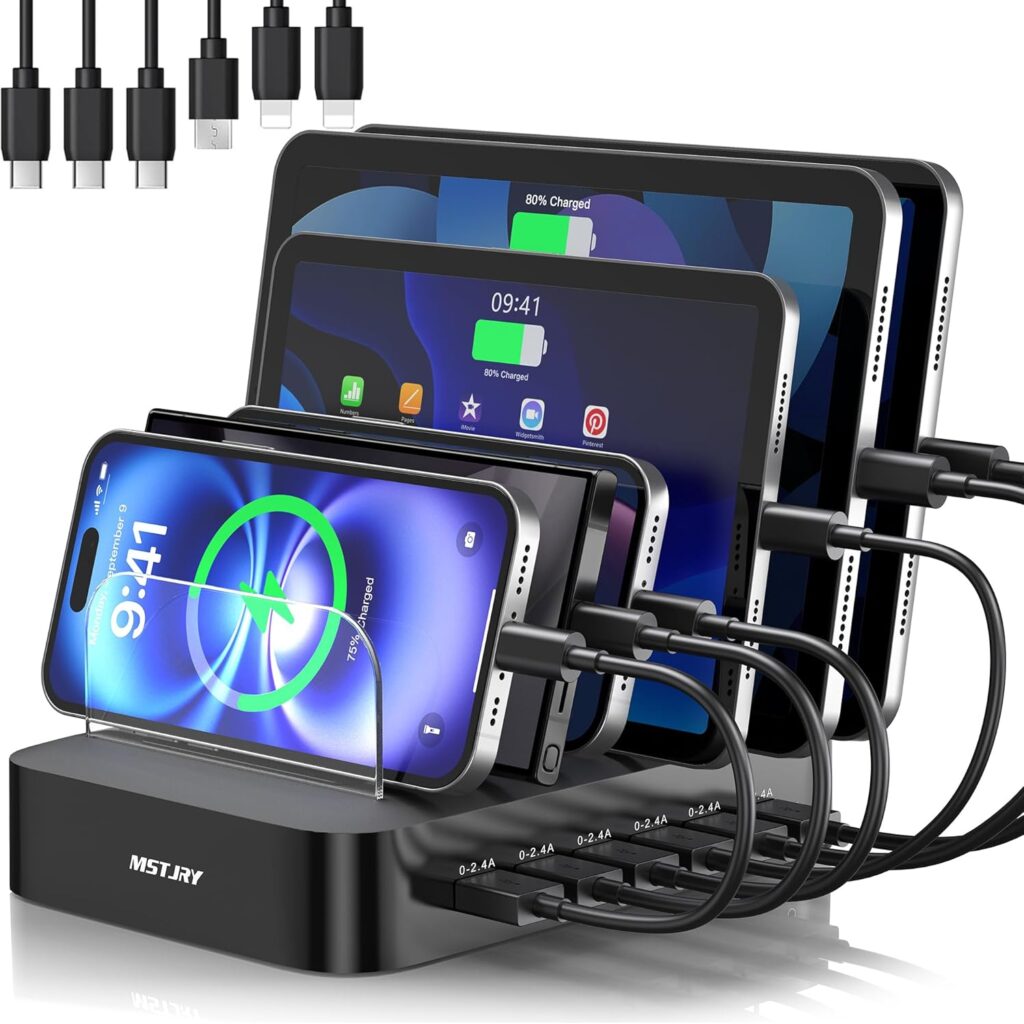
You can also go the extra mile and create a charging station with various cables. Place it somewhere that is easy to direct a guest to, but also not in the way.

8. Plan a Conversation Starter
Create a conversation started ahead of time so that you can get guests comfortable and talking quickly. Make sure it’s a good one though, you don’t want it to seem like an ice-breaker. Choose a funny Would You Rather question or something similar. Keep it fun and light, but something that requires engagement.
9. Introduce Guests To Each Other
When a new guest arrives, take a few seconds to introduce them to everyone else. Be sure to give names and give them a moment to commit those names. If you know of a shared interest between guests, bring it up.
This takes the awkward initial interaction responsibility off of your guests, and hosting etiquette is largely about making guests comfortable. Also, not having to introduce themselves makes for an easier transition into conversing with one another.
10. Unscented Candles
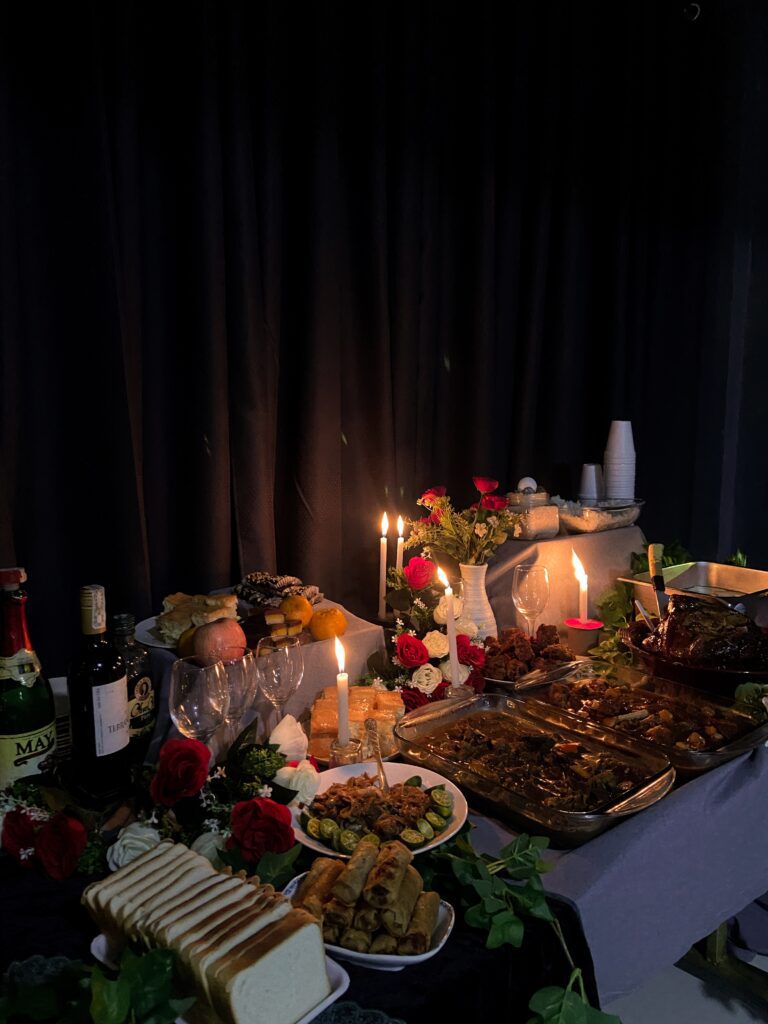
Keep a stock of unscented taper and pillar candles or flameless candles for easy ambiance and lighting, but skip the scents! You can have a candle that complements the food burning somewhere a bit away, but you don’t want to make your guests sit through all of the food and perfumes already present.
Scented candles can often trigger headaches as well. It’s easier and more economical to keep a few unscented candles ready to go.
11. Lighting and Ambiance
Lighting and ambiance are paramount and should always match the tone of the event. As most dinner parties happen in the evening, you will want to opt for low, warm lights that set the mood. Be sure your lights are not so low that guests can’t see their menus or food, but you also don’t want grocery store lighting.
12. Ensure Final Touches Allow For Greeting Guests
When planning your evening, you should have an ideal start time for when you are completing final touches and preparing for arrivals. You should also make sure those final touches are things that can be easily paused, just in case you have to welcome any early guests or help someone navigate at the last minute.
13. Have a Cocktail Hour
While it does not necessarily have to be an hour, be sure to put a time buffer between your invitation time and dinner. Someone is bound to be late, or flustered, or anxious. This time allows everyone to get settled and comfortable and get the drinks flowing.
14. Skip Hot Appetizers
Unless you have the space and means to serve hot appetizers in a way that keeps them warm, just opt for ones that don’t require it. You want to be able to sit your apps out and go, and you don’t want them to not be in peak condition. As you get hosting experience under your belt, you can add in some hot appetizers with some expert planning.

15. Consider Personalities When Planning Seats
Seating is a delicate balance of keeping certain people together while also ensuring a good flow. Consider your guests’ personalities when deciding where to place them. You don’t want the two big extroverts next to each other, and they end up only engaging with one another. Disperse the personalities so that the table is balanced.
16. A Playlist That Compliments, Not Outshines
Party playlists and dinner party playlists have different objectives; keep this in mind when crafting your playlist. You want music that matches the theme, but that can be enjoyed at a lower level. It should never impede conversation, but if a guest takes a moment to tune in, they can hear it clearly.
Jazz playlists or slow soul playlists are easy options for most dinner parties. However, don’t be afraid to show some personality. For a bacchanalia-themed dinner party, I combined mythology-inspired ballads with some slower songs that fit the vibe.
17. Have A Signature Drink Perfected or easily made
Have a drink( and mocktail) that aligns with the theme of the night or that you are known for. Make sure it’s one that you can easily make. Making drinks is a great conversation starter, and you get to show off your bartending skills.
If you don’t have the time or ability to make drinks, set up a menu with ingredients for guests to make their own. Don’t make them complicated, and don’t forget to make the drinkware accessible.
18. Remember That You Dictate The Tone
Guest take their cues from the host. Keep this in mind. If you start to shrink back and not engage, others will as well. If you allow too many lulls, they will just keep coming. Your guests are following you, so be engaged and lively with everyone, and stay in communal spaces as much as possible. Guests have a tendency to follow the host.
19. don’t forget To Engage with every Guests
Make sure you speak with every guest so they know you were intentional about asking them to be there. This may be one of the hardest things to remember and get comfortable with, and it will take time for it to become second nature.
This is why it’s better to start with smaller dinners and work your way up to larger guest lists. Here are some ways to naturally make your way around to a guest or move from one guest to another.
- Excuse yourself when a lull in the conversation you are having happens.
- Engage someone when they come into your view by inviting them into your current conversation.
- Talk with guests as you are serving food.
- After dinner, reposition yourself near people you need to speak with more.
- Direct the conversation to one topic that everyone can collectively speak on, like your conversation starter.
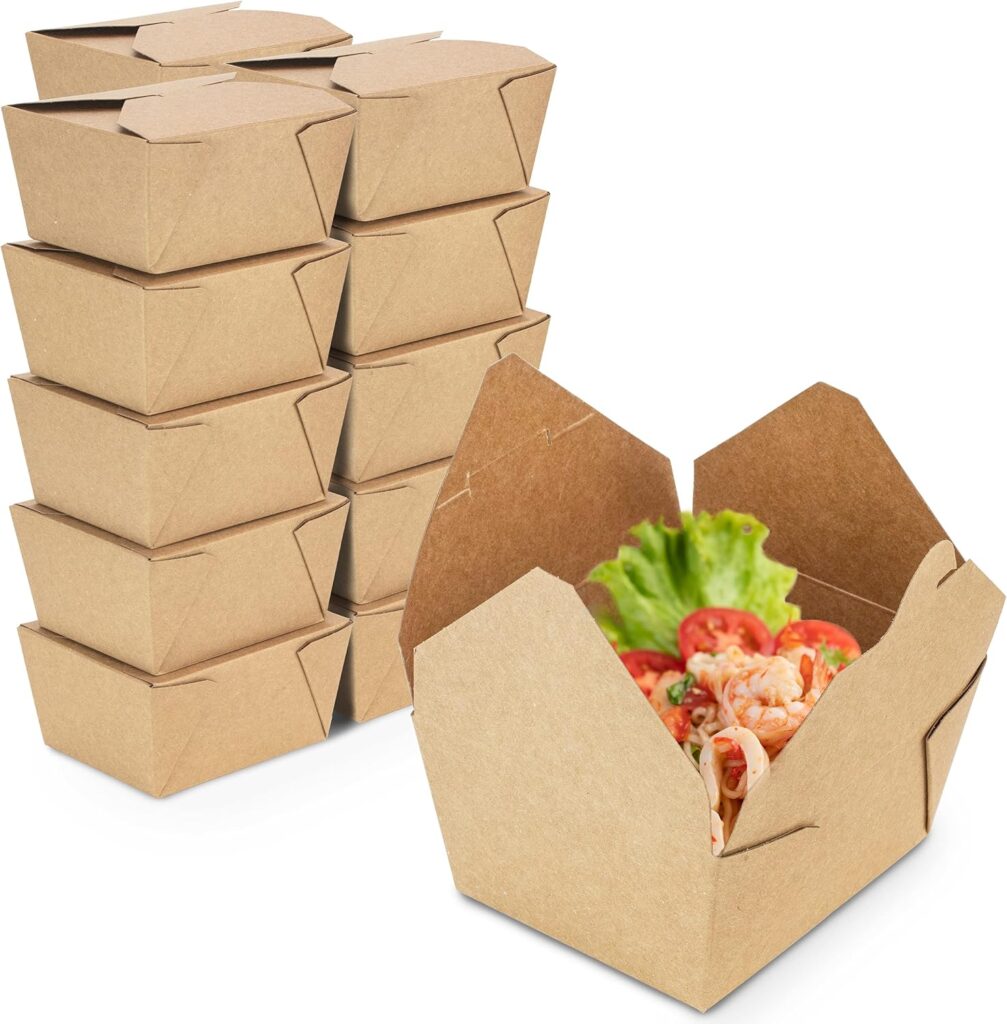
20. Take Out Containers
This tip is dependent on the type of event you are hosting, how much food you cooked, and even the culture around leftovers where you are. I am Southern, which means I usually make too much food and always offer to-go boxes to any guest who wants them.
You can control how much guests take home by opting for a particular size take-out container. This also lessens the amount of food you have to find space for in the fridge.
21. Set Yourself Up For The Next Day
Take any precautions before and after the dinner to set yourself up for the next day. You’re bound to be exhausted and still have some cleaning or organizing left, so prepare for that. Go ahead and buy an easy breakfast option for the next morning, like croissants or muffins. Place your linens in the wash the night before and start them the next morning. Do what best serves you!





Party Planning Checklist
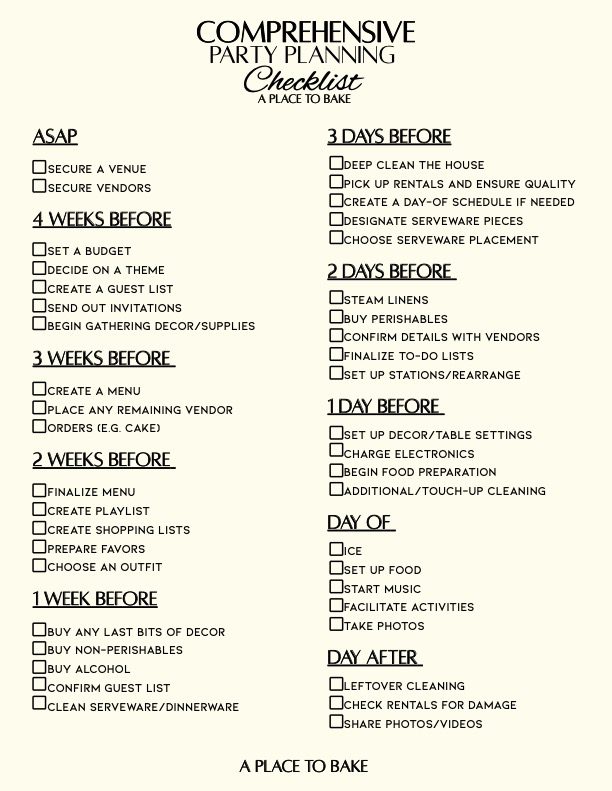
Even with all of my experience, I still don’t want to risk forgetting something because hosting does entail quite a bit. I created a party planning checklist, and I follow it with each event I host, ignoring the things that don’t apply for that particular event.
It streamlines the planning process and takes away some of the mental load.
You can download your own FREE checkable copy here
Being a Dinner PArty Guest
If you are hosting dinner parties, you are probably also attending a few. There are also helpful tips for being a great dinner party guest. But the most important aspect of being a dinner party guest is to be gracious and respectful.
As any host knows, there are tons that go into hosting that guests never see but make the event all the same. There is almost always something that goes wrong as well. So, as a guest, keep this in mind. And bring a small gift!